Shock and Awe by Simon Reynolds, Dey Street Books, 2016
 I don’t really understand the concept of comfort food. Nothing that requires a trip to the supermarket and/or actual cooking could provide me with any real comfort. However, I do have some sense of what it might mean in terms of a musical diet. I’m not talking about ‘guilty pleasures’ here. I never feel guilty about the music I like. This is macaroni and cheese music, reliable old stuff that doesn’t challenge but does satisfy. It might not change your life but it reminds you of just how good it can be.
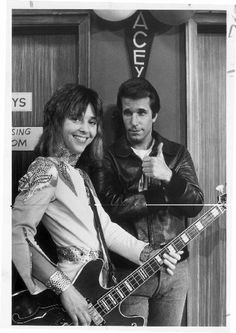
For me, Glam is comfort music. There is no more reliable record in my collection than The Slider by T Rex. It’s not my favourite album by any stretch and I wouldn’t even call myself a huge fan of the band. But when I’ve had a bad day, there’s nothing like that opening riff to Metal Guru. I’m slightly too young to recall glam as such but I was around for it. Maybe it was on in the background, maybe it was Suzi Quatro on Happy Days. I’m not sure but I feel as though it represents something fundamental to me as far as rock and roll goes. I was, thus, very keen to read Simon Reynolds’ new book on the matter, Shock and Awe.
 This is, arguably, the first major study of the genre. There are other books on the subject. Philip Auslander’s Performing Glam Rock: Gender and Theatricality in Pop Music is a thoughtful take on it and Dandies in the Underworld by Alwyn Turner is an informative, if brief, account too. However, the Simon Reynolds treatment is of another order altogether. He has previously written on hip hop, nostalgia, post punk, and rave. He is not simply a fan with flare. All of his work mixes critical theory with extensive research. This isn’t rock and roll, this is serious!
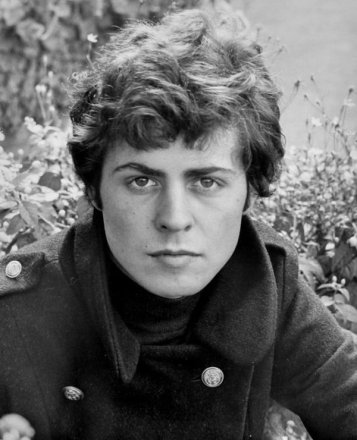
He begins with Marc Bolan, the dreamy ex Mod whose reinvention as an acoustic Syd Barrett in Tyrannosaurus Rex is one starting point for the glam genre. Another is Beau Brummel, the Regency clothes horse who shined his shoes with champagne. There is also Oscar Wilde whose paradoxical (were they?) pronouncements on superficiality read like a mission statement for the period.
Reynolds also looks into the etymology of the term ‘glam’ which is, of course, short for glamour. The word was originally associated with magic and the occult. David Bowie fans will know that Aleister Crowley is mentioned by name in the song, Quicksand. Glam famously revives the 50s and to a lesser extent, the 20s. I would add the Blavatsky scented 1890s too.
Young Mod Dreaming
But back to Tyrannosaurus Rex. The funny thing about this duo – Bolan and Steve Peregrine Took (replaced by Mickey Finn on the fourth album) – is that, although they sound like a freak folk band, folk music isn’t at the heart of the sound. It’s something else. Yes, it’s rockabilly. I know it’s a stretch but look at two of the song titles on the first album. Hot Rod Mama, Mustang Ford. It’s a bit hard to imagine The Incredible String Band doing songs about classic American cars, isn’t it?
I suppose this is an important point for me because it defines what I love about Glam music. It’s beautiful, simple, rock and roll. Glam is not prog or psychedelia though it has some aspects of both. It is closer in spirit, if not always in sound, to 1950s style rock and roll. It redefines it, speeds it up, slows it down and adds crazy chords to it. But the greasy stuff is still the point of reference. The anxiety is in the influence of Eddie Cochran and Gene Vincent rather than the glam practitioners’ immediate predecessors, Hendrix et al.
Fifties rock and roll is there if you look for it. The Cat Crept In by the lesser known band Mud comes to mind immediately. Suzi Quatro, who Reynolds contextualizes very well here, is another example. David Essex’s Rock On, T Rex’s I like to Boogie, and Drivin’ Sister by Mott the Hoople are other possibilities. In fact, Mott The Hoople’s metamusical commentaries like All The Way From Memphis and The Golden Age of Rock and Roll all reference the early period of the music. It’s worth remembering too that Bowie claimed Ziggy Stardust was inspired by a conversation with Vince Taylor, the English rocker best known for the original Brand New Cadillac.
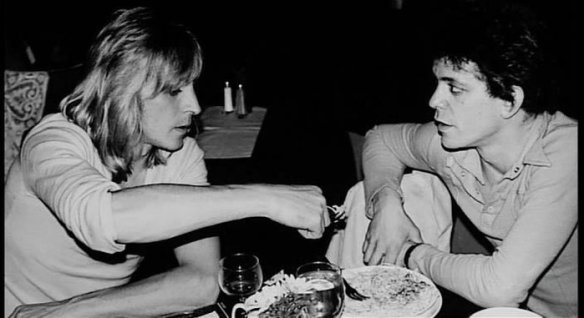
So what was going on in the early 70s? Musically speaking, a lot of stuff, including prog, singer song writers, country rock, boogie rock, art rock, hard rock, soft rock and so on. As the punk year of 1976 drew closer it became increasingly clear that the centre couldn’t hold. A whole bunch of bands and genres were going to be swept away. So goodbye Foghat. I’d be happy to argue about this over a Guinness but I think glam was punk in the womb. The term punk rock was being batted around in the early seventies to describe everyone from Bruce Springsteen – a huge influence on Bowie’s post Ziggy period incidentally – to Alice Cooper, a band that gets a fair bit of space in Reynolds’ book. If punk was a rejection of the sixties’ values, it seems to me that they had already been comprehensively rejected by Bowie, Bolan, Ian Hunter, not to mention Lou Reed, Iggy Pop, and The New York Dolls.
That’s what my book about glam might look like. Simon Reynolds has a slightly different take. He doesn’t deny the clear line from glam to punk but he is far more interested in the journey from glam to post punk. I really enjoyed reading this book but I wasn’t always with him when he was talking about the music itself. What I like about Bowie’s Ziggy period is Mick Ronson’s guitar playing. I hear great rock and roll, Reynolds hears string arrangements. They are both there so it is a matter of taste, I guess. As with his earlier book Rip It Up and Start Again, he seems to be primarily interested in the non rock and roll influences and elements in popular music. In that book, he seemed to be suggesting that a lot of high concept early eighties bands were somehow more exciting than the punk bands that preceded them. To each his own, but for those of us who were teenagers when pretentious ‘post punk’ was evolving into banal ‘new wave,’ 1977-style punk sounded pretty good.
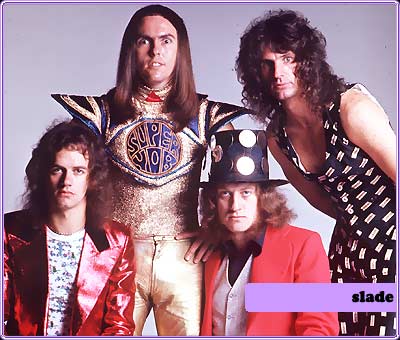 Similarly in Shock and Awe, Reynolds sees glam as part of a long tradition that stretches back to old Hollywood and reaches up to Lady Gaga. I don’t dispute this but, for me, it’s the killer riffs and the sheer three chord fun of it that makes it my comfort music. Slade, who Reynolds rightly suggests have been unfairly forgotten, are wonderful purveyors of power pop. They don’t have to be anything more. The Sweet are The Monkees of glam but at their best are a joyful reminder of good times and warm summer evenings.
Reynolds’ book must be read. It is well researched, beautifully written, and comes from the heart. Despite my misgivings about his approach to Bowie’s music, I believe he has written the definitive account of the man’s early career. Glam, like many musical genres, is difficult to define and impossible to date. This book will challenge your ideas about the period and the artists mentioned. It will get you listening to some albums you may not have heard. I’m now stuck on Cockney Rebel’s first two records. You might start listening to Alice Cooper again for the first time since junior high. You might check out early Sparks. You might see Queen in a different light. No, really!
This book is up for the Penderyn Prize. I think it will win.
Teasers: If you thought you couldn’t dislike Don Henley any more, wait until you hear his views on The New York Dolls. Kiss, and in particular their drummer, are dismissed in one brutal paragraph so don’t worry, you won’t be compelled to revisit Hotter Than Hell.
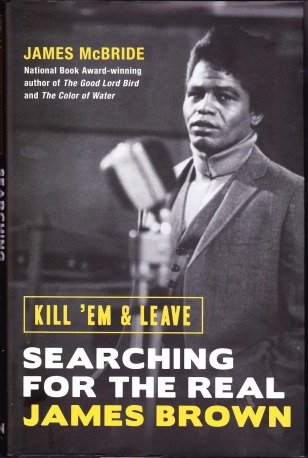 Kill ’Em And Leave: Searching for James Brown and the American Soul by James McBride, Spiegel & Grau 2016
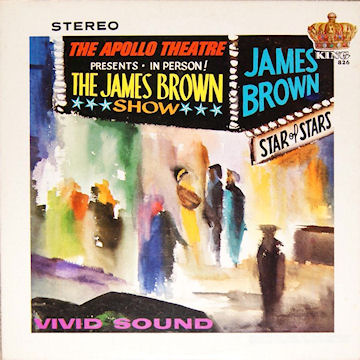 I have only ever been a casual fan of James Brown. Like everyone else, I have owned Live at the Apollo in at least four formats, along with a greatest hits collection purchased during a brief teenage Mod phase. I saw him once too. In the mid 80s he played the Ontario Place Forum in Toronto with its revolving stage. It was a strange show. He did about five songs. Two of them were It’s A Man’s World. Then he came out with the cape, etc, for an encore. You guessed it, It’s A Man’s World one more time. I walked out of there like Robert Bly with a six-pack.
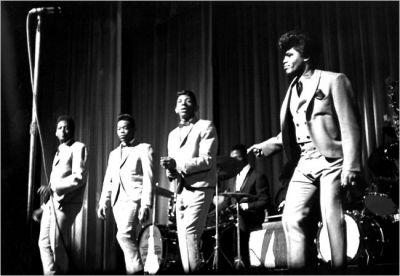 James McBride’s provocative account of Brown’s career makes one thing clear. The self styled Godfather of Soul does not fit easily into the received story of rock and roll. Motown makes sense. The Beatles drew from Motown. Chess makes sense. The Rolling Stones found something there. But James Brown’s legacy, in rock and roll at least, is less obvious. The story of his upstaging of the Stones is famous. Keith Richards has said that trying to follow him was the dumbest thing the band ever did. Brown, by some accounts, begat funk which begat disco. Okay, but we’re still talking about tributaries that exist outside of the rock and roll critical river. James McBride’s point here is never stated explicitly but his meaning is clear. James Brown is central to the African American experience of popular music. The standard Elvis – Beatles – Bowie – Punk – and so on story is arguably a very white one that, while not excluding black music, does sideline it. Elijah Wald explored this theme in his book How The Beatles Destroyed Rock and Roll a few years ago. James Brown’s story is certainly illustrative of it. If you’re shaking your head, think about this: The Beatles have appeared on the cover of Rolling Stone more than 30 times. James Brown, one of the key innovators in popular music, has appeared twice. The first time, in 1989, was well after his heyday and the second time, 2006, was after his death.
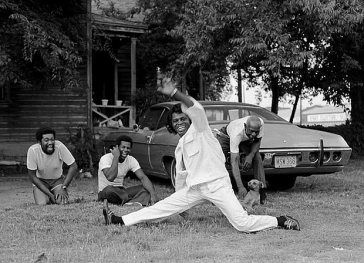 McBride himself tasted literary stardom a few years ago with his memoir, The Color of Water. He is a formidable prose writer who has also worked as a professional musician. It’s not surprising that this book made so many ‘best of’ lists for 2016. As one era in the White House ends and we await the full implications of the one that will follow, McBride’s story of a man who scored his first hit in 1956 couldn’t be more relevant. The search for the soul of America is ongoing.
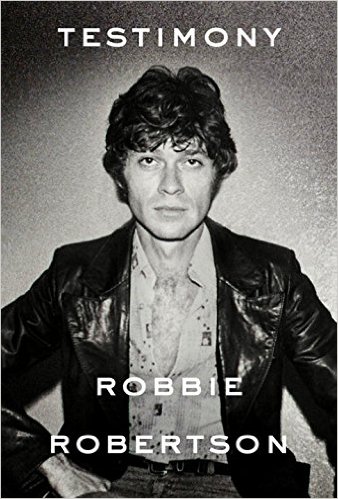 Testimony by Robbie Robertson, Deckle Edge 2016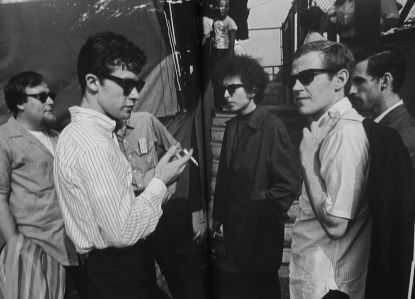
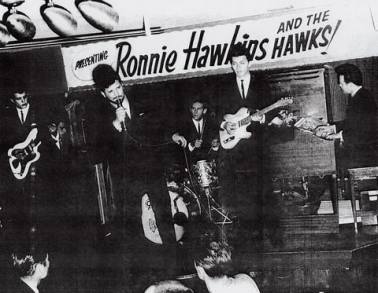 Robertson is particularly good on his early days with Ronnie Hawkins and the evolution of The Hawks. His growing friendship with Levon is at the heart of these sections but he also brings Hawkins, the sort of Dumbledore figure in The Band’s story, to life in all his manic glory. Slowly, Rick Danko, Richard Manuel, and the arch eccentric, Garth Hudson of London Ontario, make their way into the Hawks. The band conquers Yonge St and all its young women. They play dives at Wasaga Beach, they play dives on the Mississippi. Robertson was 16 when he joined up. When The Band’s first album appeared in 1968, they had been on the road since the late 50s. The Beatles’ Hamburg period is, at least according to Malcolm Gladwell, an important factor in everything that followed. There is a special ingredient in The Band’s music that is sometimes hard to identify. Robbie’s wonderful evocation of the band’s early years provides an important clue, I believe. The threads of rockabilly, rhythm and blues, pop, blues, and a country ballad or two are all part of the fabric of The Band’s sound.
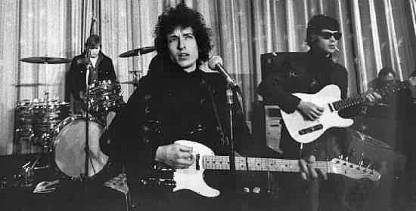 Speaking of the Nobel Laureate, Robbie is very good on the 1966 tour. There has been so much written about it that I wondered if he would bother spending too much time there. He does and manages to provide a unique perspective. Dylan is one of a long series of ‘father figures’ in Robertson’s life. He never actually says this but Ronnie Hawkins gives way to Levon who gives way to Dylan who gives way to Albert Grossman who gives way to David Geffen who gives way to Martin Scorcese. Dylan’s intelligence and absolute cool headedness in every situation impresses the young guitarist as he ducks flying objects night after night on the ‘Judas’ tour.
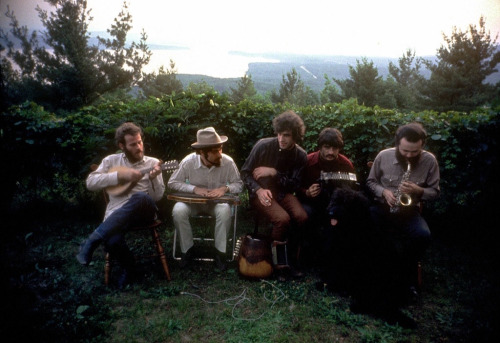 Following the section on the first album, the tone of Testimony shifts in a subtle way. Rick Danko manages to break his neck in a car accident before their first tour and Richard Manuel’s drinking starts to make an impact. Then Levon Helm discovers heroin. Robbie Robertson is a gentleman. He doesn’t scold or preach but the sense of a lost opportunity is discernible in the folds of his prose. I doubt that anyone will ever top this band’s first two albums but I think Robbie feels as though the records that followed could have been a lot better. He doesn’t think much of Cahoots, for instance. While it isn’t perhaps on par with its three predecessors, an album with Life is a Carnival, When I Paint My Masterpiece, and The River Hymn still must rank as one of the ten best albums of the 1970s.
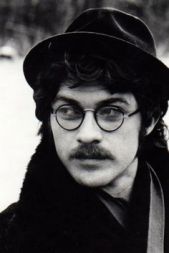 This is something different, an unusual rock and roll memoir where the paucity of information functions as a kind of subtext. Robbie hasn’t come to terms with The Band and has perhaps been stung by his ‘Yoko-isation’ by fans and critics. I enjoyed Testimony enormously but this is perhaps a more melancholy book than the author intended.

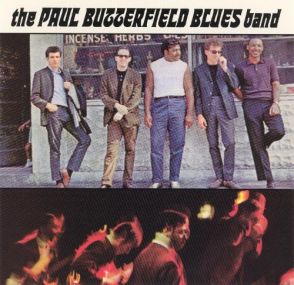
 So let’s throw another log on the equation. Those two albums appeared within six months of each other in the mid 1960s. Hoodoo Man Blues by Junior Wells was released at about the same time. Surely this knocks it out of Wrigley Field. Bloomfield and Clapton are great blues players but compared to Buddy Guy? Butterfield is one of the great harp players but, senator, he’s no Junior Wells. Case closed then. Well, maybe. Hoodoo Man Blues departs, quite dramatically at points, from the electric ‘country’ style associated with Muddy Waters, Wolf, and others. Listen to the first track, Snatch It Back and Hold It. It sounds a lot more like Papa’s got a Brand New Bag than Two Trains Running. Look over the track list. There’s a Kenny Burrell song on there! It’s a sophisticated and beautiful record but is it the blues? The ‘real’ blues?

 There is a suggestion, raised a couple of times in the book, that the southern, Jim Crow Mississippi sources of the early Chicago sound are simply a different listening experience for black audiences. Possibly this is why the black audiences that have stuck with blues apparently favour the smoother, more urban sounds that white devotees of the genre, like me for instance, find dull and overproduced. So where does that leave us? What’s authentic now? The rough hewn sound of Muddy’s earlier sides or the slick lines of ZZ Hill, an artist credited with bringing blues back to its original audiences in the early 80s? Harper admits that he had never heard of ZZ Hill in 1982.
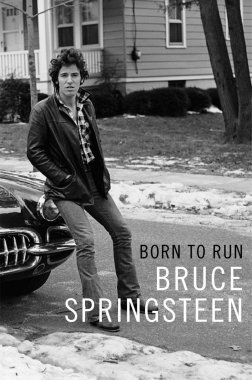 Born To Run by Bruce Springsteen, Simon & Schuster 2016
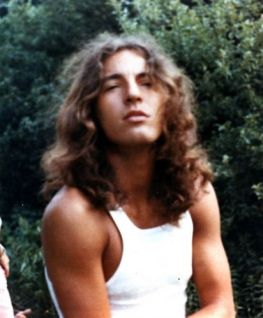 But this is Bruce himself. He is articulate in interviews and his gift with language has never been in doubt. Many of his songs involve narratives, sometimes personal, but what would a book length Springsteen ‘song’ look like? As it turns out, pretty good. This man can write. At times, particularly in the early sections, it occurred to me that he had a distinctly ‘American’ style of the old school. Thomas Wolfe’s Look Homeward Angel came to mind. So did James T Farrell’s Studs Lonigan trilogy. The scenes with his father place him a very long tradition in American letters.
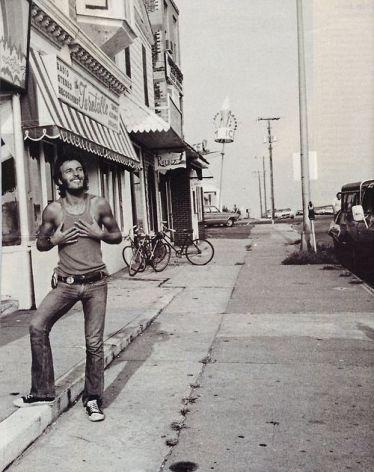 Born To Run is also miles away from Keith Richards’ engaging if slightly tiresome Life. There are no ‘then the groupies brought more coke’ moments or anything even approaching that kind of rock and roll story. At some point in the late 70s, Jimmy Iovine invited Bruce to the Playboy Mansion. No one, surely, would have begrudged a young rock and roll star an evening with Hugh and his pals but Bruce declined. No thanks, Jimmy, it’s just not me.
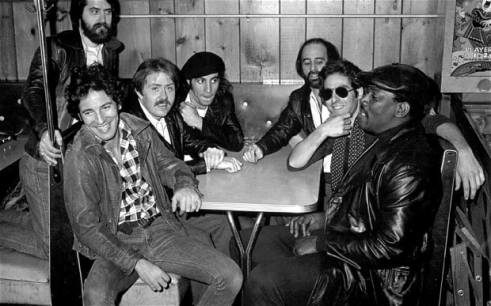 So what else do we learn? A few interesting items are revealed but here’s one that struck me: Bruce, it would appear, has a lot of affection for The River LP. He spends a lot of time on this album in the book. He rejected the original Bob Clearmountain mixed single LP because he wanted something a bit more ragged and more representative of the true E Street Band sound. There are personal clouds over most of his other classic albums but The River appears to be a record where he feels he got it right.
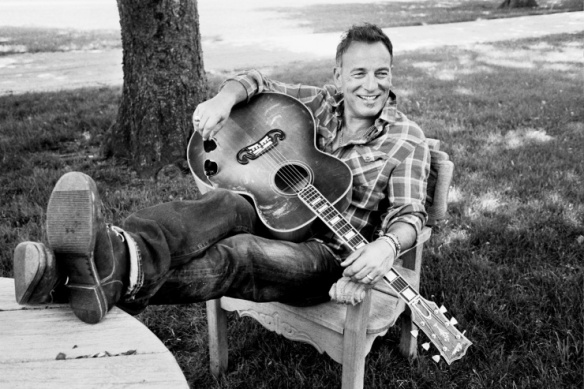 Teasers: Frank Sinatra’s birthday party with Bob Dylan in attendance; Less about Clarence and Miami Steve than you might expect, but a lot about Danny Federici and Vinny Lopez, original E Streeters with their own stories. Also, Bruce’s take on his ’80s image – “I looked…gay!”
 Teenage Kicks: My Life as an Undertone by Michael Bradley, Omnibus Press, 2016
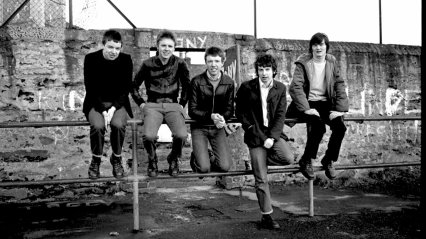 The absence of politics in their lyrics in the context of late 70s Derry is a statement in itself. They had all grown up in this ferociously tense atmosphere. Bradley mentions in passing being asked to leave a classroom because a British helicopter was trying to land on his school’s soccer field while being fired on by the IRA. Nobody brushes that off entirely. Thus, the music of this band is political because it rejects sectarianism of any kind for a world of girls, cars, perfect cousins, mates called Jimmy, and good weather. It’s always raining in Derry, or at least it always is when I go, but one of their songs is sunnily titled, Here Comes The Summer. Derry was, like many cities gripped by strife, a socially conservative place. The generation The Undertones represented didn’t ask to be born there. When they rebelled, it wasn’t with anger but against anger, as Eammon McCann notes in the 2002 documentary about the band. The Undertones’ first album is a protest record that counters hate and war with the promise of fun.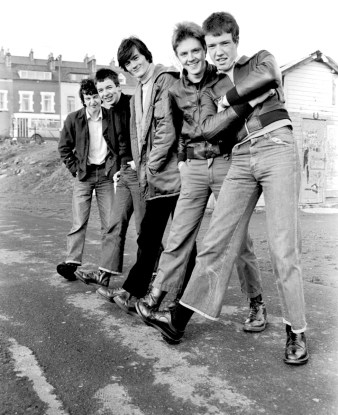

 The Sun and The Moon and the Rolling Stones by Rich Cohen, Spiegel and Grau, 2016
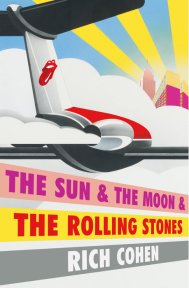
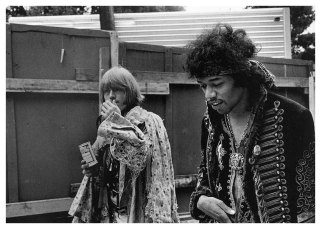
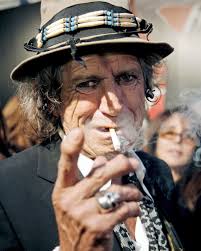 A book about The Rolling Stones presents something of a quandary to both writer and reader. What does one say about this band that isn’t already part of one of the great Rock and Roll myth cycles. The Stones were badass compared to The Beatles? The Sixties ended at Altamont during Under My Thumb? Exile on Main St was badly reviewed at the time (it really wasn’t – check for yourself) but is the greatest record ever made? There are almost as many books about the Stones as there are on The Beatles. This formidable library now includes Keith’s bestselling autobiography Life. Mick Jagger tells Cohen that Richards didn’t write it and probably hasn’t read it either. I wasn’t crazy about Life, to be honest, and this made me laugh out loud, as the kids say.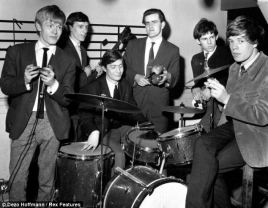
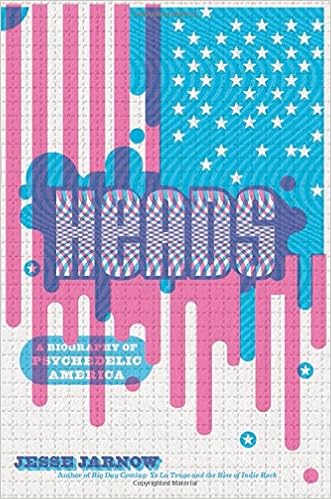 Heads: A Biography of Psychedelic America by Jesse Jarnow, Da Capo, 2016
 Narcotics were popular long before 1965. Nineteenth century Romanticism was fueled by opium, twentieth century Modernism ran on coke. Jean Paul Sartre took so much mescaline that he was having flashbacks involving talking lobsters for years. But in 1943, Albert Hoffman, a Swiss chemist, came up with something he called LSD. He took some, got on his bicycle, and rode, hopefully not in traffic, into history.


 Young Soul Rebels: A Personal History of Northern Soul by Stuart Cosgrove, Polygot 2016
 At some point in the late Sixties, the Mods divided into two factions. One group drifted into paisley shirts and faux pastoral lysergic afternoons in Hyde Park. The other group donned singlets and loose pants for heart murmuring nights of amphetamine cocktails and Northern Soul. Unlike the twisty yoga hand jive and starry eyed shuffle of the first group, Northern Soul dancing was acrobatically athletic. The clothes had to be loose enough to accommodate back flips, high kicks, and swallow dives. Many of the most famous male dancers were also involved in martial arts. As for female dancers, well, there was one young woman who turned a few heads with her moves at the Blackpool Mecca in the mid 70s. Her name was Jayne Torvill.
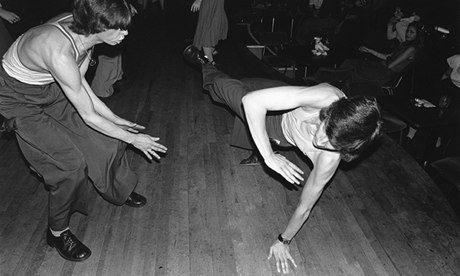 Stuart Cosgrove covers the early years at Manchester’s Twisted Wheel nightclub, where the scene was born, but focuses on the most famous venue of all, Wigan Casino. He lovingly recreates the sights, sounds and olfactory sense of an evening there. The layout is important. It wasn’t just one big hall. There were smaller rooms where traditionalists could dance to early sixties sides without having to worry about the creeping funkiness of early 70s r’n’b. In other rooms there were pop up rare record markets where big money changed hands and discussions of music often grew heated. The main room, however, was where the seriously aerodynamic dancing took place and legendary DJs melted the floor with sides like Fred Hughes Baby Boy. Listen to it on YouTube and see if you can sit still. I dare you! At the end of the night which was actually the next morning, the DJ would play the ‘3 before 8’(am); Jimmy Radcliffe’s Long After Tonight Is All Over, Tobi Legend’s Time Will Pass You By and Dean Parrish’s I’m On My Way. The dancers would then make their way outside, blinking in the grey Sunday morning light and presumably heading for the nearest curry shop.
 Wigan Casino closed in the late 70s, by which time the scene was shifting to the Mecca in Blackpool. The mid seventies were not kind to the old English seaside resorts but the Northern Soul scene offered some relief. The large halls where grandparents had danced in Larkin’s 1914 became venues for large-scale soul events. Never such innocence indeed! And appropriately, it was at one of these places where a veritable Great War erupted in Northern Soul.
 Its longevity is not really such a great mystery. The music is timeless and brilliant. A legendary Northern Soul standard like Gloria Jones’ Tainted Love (famously covered by Soft Cell, a band made up of two Northern Soul boys from Leeds) never gets old. It’s own obscurity has helped too. I once accidentally went to a comprehensive but vacuous Jean Paul Gaultier exhibition at an art gallery. The ‘punk’ section made me cry. This is where something brilliant died, I thought. But punk’s rise was so meteoric that it was doomed from the beginning. Northern Soul, as Cosgrove points out, was completely ignored by the NME and other mainstream publications. It was too Northern, too sweaty, and altogether too provincial for London cool hunters. For some reason old Jean Paul’s Northern Soul line never appeared. Maybe it was the George Best haircuts and homemade club patches. He just couldn’t see it.
 I liked the people in Young Soul Rebels too. Northern Soul was always about individuals as much as it was about music. Many of the participants he introduces to the reader are working class English folk living in the slowly fading light of the industrial revolution. Northern Soul provided an identity and a community at a time when both were under serious threat from the forces of globalization and Thatcherite economics. There is the sad story of his friend Pete Lawson who struggles with mental illness and drug addiction while finding relief in record collecting. There is the surreal tale of master bootlegger, Simon Soussan, a figure out of Le Carre. Their stories, along with the frequently hilarious antics of various DJs, collectors, and dancers all build a vivid picture of the Northern Soul scene and northern England in the 70s and 80s. Martha Graham once said that ‘dancing is the hidden language of the soul of the body’. Cosgrove reveals a bit of the secret language of Northern soul in this worthy book.
 Under the Big Black Sun: A Personal History of LA Punk, John Doe with Tom DeSavia and Friends, De Capo 2016
 So this is an unfamiliar LA, a city of derelict apartment blocks filled with misfits who are making films, writing poetry, and forming bands like The Go Gos. It’s a night place where a bunch of disaffected kids come together and try something different. All of them had grown up in the Watergate 1970s and the slow death of the 60s dream. Like their counterparts in New York, London, Sydney, and Toronto, they weren’t interested in the bloated rock music on the radio so they made it new. Henry Rollins says that history is filled with moments where someone stands up and says ‘Fuck this. No seriously, fuck this.’ This is what happened in LA in 1977.
 Punk began in LA as the music of the outsider. There is a fine essay by Teresa Covarraubias of the band The Brat, about the scene in East LA and the contribution of Latino bands like The Plugz – who once backed Bob Dylan on Letterman. Yes, Los Lobos makes an appearance here. They once opened for PIL. What happened? Guess. It involves saliva. Her essay ends, however, on a sad note about the night that a local hall, The Vex, was destroyed by the violent suburban punks who began to dominate the scene in the early 80s. They were, for the most part, white and male. The diversity of the early scene didn’t last long. When the bullyboy skins from Orange Country turned up, women too drifted away from what had been a remarkably progressive moment in rock and roll.
 On Books On Music